Regulations and Standards of System Components

Bringing the liquid from below ground to homes, farms, or commercial buildings involves more than drilling and equipment—it requires strict compliance with codes and ongoing upkeep to protect safety and quality. As demand grows for efficient, long-lasting systems, staying aligned with local, state, and national guidelines becomes essential. From proper placement to post-installation inspections, every part of the process must meet established standards to ensure performance and avoid costly violations.

Code Compliance Starts with the Site

Before any component is lowered into the ground, planning must begin with regulatory research. Site placement affects everything—from how far the system is from septic tanks or buildings to how deep it needs to go to avoid contamination. Most jurisdictions enforce minimum separation distances, protective casing requirements, and geological considerations before giving the green light to proceed. Permits are usually required before work begins. These ensure the design and layout meet health department standards and environmental impact rules. Getting the go-ahead is not just a formality; it protects both property owners and the surrounding community from groundwater contamination and structural failures down the line.

System Components Must Meet Specific Standards

Not all parts are created equal. From the energy source to the water tank for wells and every connection in between, the components of a delivery system must meet approved specifications. Many regions require that only certified parts be used, especially when consumption is involved. Materials that encounter potable water must be lead-free and corrosion-resistant. Connections and wiring must follow the National Electrical Code. … Read more


The Watchful Eye: Essential Methods for Fire Detection in Your Home

Fire remains one of the greatest threats to life and property within the home. While modern building codes mandate smoke alarms, effective fire safety is a multi-layered defense system that utilizes different technologies to detect threats at their earliest stages. Relying on a single, outdated device is no longer sufficient. A comprehensive home fire detection strategy employs at least three distinct methods, each designed to sense a specific characteristic of a fire, from the earliest invisible particles to the sudden, overwhelming heat. Understanding these three primary detection methods is crucial for homeowners looking to create a truly safe and resilient living environment.

This article details the three essential methods of fire detection available for home use, explaining how each works and why a combination approach offers the highest level of protection.

1. The Particle Detectors: Ionization and Photoelectric Smoke Alarms

Smoke alarms, the most ubiquitous form of residential fire protection, work by detecting the physical particles released during combustion. Within this category, two distinct technologies dominate, each sensitive to different types of fires.

Ionization Smoke Alarms

  • How They Work: An ionization alarm contains a small chamber with two electrically charged plates and a tiny piece of radioactive material (Americium-241). This material creates a constant, small electrical current between the plates. When small, invisible smoke particles enter the chamber, they disrupt this current, triggering the alarm.
  • Best For: Fast-flaming fires—fires that consume materials quickly and generate smaller, lighter smoke particles (e.g., paper, grease, cooking fires). These alarms often detect these
… Read more

Key Situations Where Self-Storage Becomes Your Essential Ally

Self-storage facilities, once seen merely as places to stash junk, have transformed into flexible, reliable extensions of our homes and businesses. In today’s dynamic world, where life changes happen fast and space is often at a premium, self-storage offers a crucial logistical solution. It is the practical answer to temporary transitions, major life events, and the perennial need for organizational breathing room. Understanding the specific, often stressful, situations where a storage unit becomes an indispensable ally allows individuals and businesses to navigate change with greater ease and less clutter.

Moving beyond the obvious need for temporary holding during a home move, this article explores the diverse and sometimes unexpected situations where self-storage is not just convenient, but absolutely essential for maintaining order and sanity.

1. Navigating Major Residential Transitions

The most common, yet often most stressful, scenarios requiring self-storage revolve around moving houses. However, the need extends far beyond a simple gap between closing dates.

  • The In-Between Move: This is the classic scenario. You’ve sold your home, but your new one isn’t ready, or you’re renting short-term while searching for a permanent property. Storing your furniture and non-essential items allows you to live comfortably in temporary housing without the overwhelming clutter of your entire life.
  • Downsizing Intentionally: When moving to a smaller home, condo, or apartment, you often need time to decide which cherished possessions to keep, sell, or donate. A storage unit provides a non-pressurized “holding area” where you can sort through items gradually, ensuring you don’t make
… Read more

More Than Just Glass: Windows as the Triple Threat for Home Improvement

Windows are often viewed simply as a means to let light in, a necessary barrier against the elements. Yet, in modern home design and renovation, they are recognized as a crucial, multi-functional element that profoundly impacts three major pillars of a home’s quality of life: comfort, efficiency, and aesthetics. The right windows can transform a cold, drafty, and dull space into a brightly lit, climate-controlled, and architecturally stunning environment. Conversely, outdated or poorly chosen windows can be a constant source of energy loss, noise pollution, and visual distraction.

Understanding the strategic importance of windows—and the technology embed in modern glazing—is key to unlocking the full potential and long-term value of any property. This article delves into how modern windows act as a triple threat for home improvement. Offering compelling reasons to prioritize them in your next renovation.

1. Enhancing Comfort: Quiet, Consistent Sanctuary

Comfort in a home is a holistic measure, encompassing temperature stability, natural light quality, and acoustic tranquility. Modern windows deliver on all three fronts.

Thermal Comfort and Consistency

Old, single-pane windows are notorious for energy loss, leading to uncomfortable temperature fluctuations near the glass. Modern windows solve this with sophisticated technology:

  • Low-Emissivity (Low-E) Coatings: These microscopic, transparent coatings are applied to the glass panes to reflect radiant heat. In the summer, Low-E reflects heat out, keeping the interior cooler. In the winter, it reflects heat in, keeping the interior warmer. This creates a more consistent, comfortable temperature throughout the room, eliminating those cold spots
… Read more

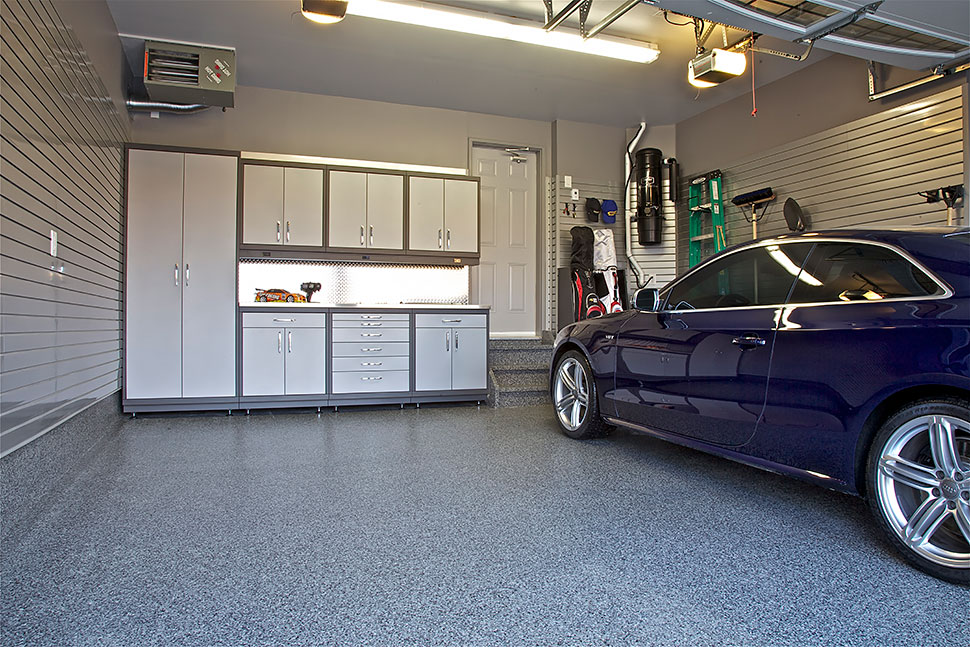
Beyond the Car: Unlocking the Hidden Potential When You Renovate the Garage

For too long, the garage has been the forgotten zone of the home—a dusty repository for tools, seasonal decorations, and, sometimes, an actual car. Often underutilized and poorly organized, it represents a vast, untapped reserve of square footage and functional potential. A strategic garage renovation is no longer just about adding storage; it is one of the most cost-effective ways to increase your home’s livable, adaptable space and significantly boost its value. By treating the garage as a genuine extension of your home’s interior, you can transform it into a dedicated workshop, a versatile home gym, a comfortable auxiliary office, or a highly organized utility hub.

This article explores the compelling reasons and essential strategies for renovating the garage, demonstrating how this once-neglected space can become a powerhouse of functionality and design.

1. The Power of Purpose: Defining the New Space

The first and most critical step in renovating the garage is abandoning its default identity and clearly defining its new, specialized purpose. This intentionality guides all subsequent design and material choices.

  • The Workshop/Hobby Zone: If the goal is a workshop, the focus must be on durable, easy-to-clean flooring (like epoxy), bright task lighting, and robust electrical wiring to support heavy tools and machinery. Vertical storage, like pegboards and slat walls, keeps tools visible and accessible.
  • The Home Gym: A gym requires rubber flooring for shock absorption and sound dampening, excellent ventilation, and proper mirrors. It also necessitates climate control, as temperature extremes will quickly make the space unusable.
  • The
… Read more