Modern Architecture Concept

In the ever-evolving world of architecture, the concept of “modern architecture” stands as a testament to innovation, functionality, and aesthetics. Emerging in the early 20th century and continuing to influence the built environment today, modern architecture has become a defining movement that has shaped the way we think about design and the spaces we inhabit.
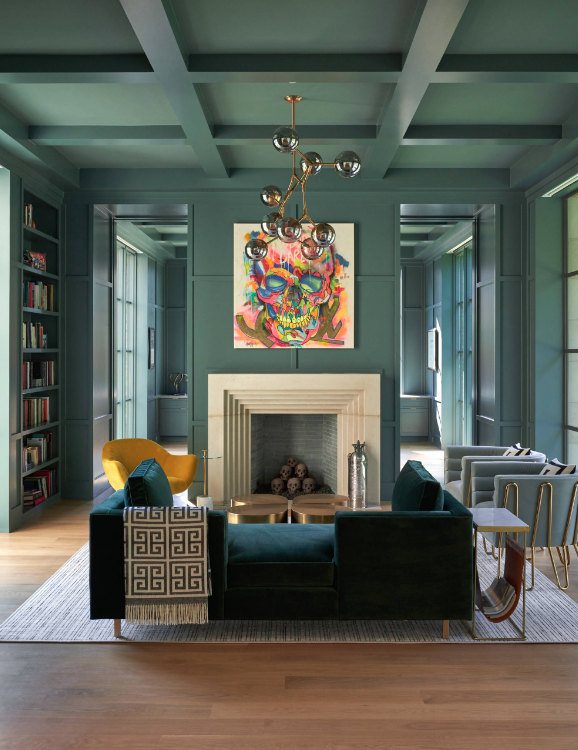
Origins of Modern Architecture:

1. Industrial Revolution and Changing Needs: Modern architecture emerged as a response to the industrial revolution and the changing needs of society. It was a rejection of the ornate, historicist styles that had dominated the 19th century. Pioneering architects such as Le Corbusier, Ludwig Mies van der Rohe, and Frank Lloyd Wright led the charge by advocating for a new approach characterized by simplicity, efficiency, and the use of innovative materials. This movement sought to align architecture with the fast-paced, industrialized world of the 20th century.

Key Principles:

1. Form Follows Function: One of the fundamental principles of modern architecture is the idea that the form of a building should be dictated by its intended function. This philosophy leads to designs that prioritize efficiency and purpose.

2. Minimalism: Modern architecture often favors clean lines, open spaces, and the use of geometric shapes. Minimalist design aims to reduce unnecessary ornamentation and highlight the beauty of simplicity.

3. Innovative Materials: Modern architects were quick to adopt new materials like steel, glass, and concrete, which allowed for previously impossible structural and design possibilities.

4. Integration with Nature: Many modern architects focused on creating … Read more

Home Design Software program

Transforming Your Vision into Reality

Home design is an exciting journey, and with the advancement of technology, it has become more accessible than ever. Thanks to home design software, you can turn your ideas and dreams into detailed plans for your ideal living space. In this article, we will explore the world of home design software and its impact on the way we create and visualize our homes.

The Power of Home Design Software

Home design software is a versatile and powerful tool that enables homeowners, architects, and interior designers to envision and plan their projects with precision. Here are some of the key aspects that make home design software invaluable:

1. Visualizing Ideas

Home design software allows you to see your ideas come to life in a 3D environment. It provides a realistic representation of your home project, helping you make informed decisions about layout, colors, furniture, and more.

2. Saving Time and Money

By using home design software, you can experiment with different design concepts and layouts without the cost of physical prototypes. This iterative process can save both time and money, as you can identify potential issues and make adjustments before construction begins.

3. Collaboration

Home design software makes it easy to collaborate with architects, contractors, and interior designers. You can share your designs electronically and receive feedback and input, ensuring that your project aligns with your vision.

4. Accessibility

The accessibility of home design software has increased dramatically. There are user-friendly options available for beginners … Read more

House Design Guide: Creating Your Dream Home

Designing a house is an exciting and complex process that requires careful planning and attention to detail. Whether you’re building a new home or renovating an existing one, a well-thought-out house design is essential to create your dream living space. In this house design guide, we’ll explore the various aspects of designing a house, from the initial concept to the final execution.

Understanding Your Needs and Preferences

Identifying Your Lifestyle

Before you embark on house design, it’s crucial to identify your lifestyle and how your home can support it. Consider factors such as family size, daily routines, and hobbies. This information will guide the design choices that best suit your lifestyle.

Defining Your Style

Your home should reflect your personal style and preferences. Determine the design style you are most drawn to, whether it’s modern, traditional, minimalist, or something else. This will serve as the foundation for your design decisions.

Planning Your Space

Layout and Flow

The layout of your home is a critical aspect of house design. Consider the flow of your space, ensuring that rooms are well-connected and that traffic flows smoothly. Think about how you will use each room and how they relate to one another.

Room Functionality

Each room in your home should serve a specific purpose. Determine the functionality of each space, whether it’s a living room for relaxation, a kitchen for cooking, or a home office for work. This will guide the design and furnishings for each room.

Storage Solutions

Incorporate ample storage throughout … Read more