Friedman’s Home Improvement: The Legacy, Local Touch, and Modern Edge of an Independent Giant

In an era dominated by national big-box retail chains and massive online e-commerce platforms, local independent businesses face an uphill battle to maintain market presence. Yet, across Northern California, one regional brand has not only survived the influx of national corporate competitors but has continued to thrive as a dominant force in the retail home center sector: Friedman’s Home Improvement.
Founded decades ago as a modest family venture, Friedman’s has grown into a multi-location mainstay for contractors, professional builders, and weekend DIY enthusiasts alike. Understanding what sets Friedman’s Home Improvement apart requires looking beyond the shelves of lumber and hardware. The company’s enduring success relies on a unique blend of deep-rooted community connections, tailored regional product inventory, and customer-centric service values that large national retailers struggle to replicate.

The Origin and Evolution of a Regional Icon

The story of Friedman’s Home Improvement began in 1946 when brothers Benny and Joseph Friedman opened a small surplus store in Petaluma, California. What started as a modest post-war operation rooted in resourcefulness gradually transformed to meet the expanding construction and agricultural needs of the North Bay region.

Over the decades, the family-owned enterprise expanded strategically, adding expansive retail and contractor yards across key locations including Santa Rosa, Sonoma, Ukiah, and Petaluma. Rather than overextending across state lines, the leadership team focused on mastering their local geographic footprint. By growing organically alongside Northern California’s wine country, coastal regions, and agricultural hubs, Friedman’s established a resilient brand identity anchored in regional trust and specialized … Read more

The Real Cost to Remodel a House: A Realistic Budget Breakdown and Strategic Planning Guide

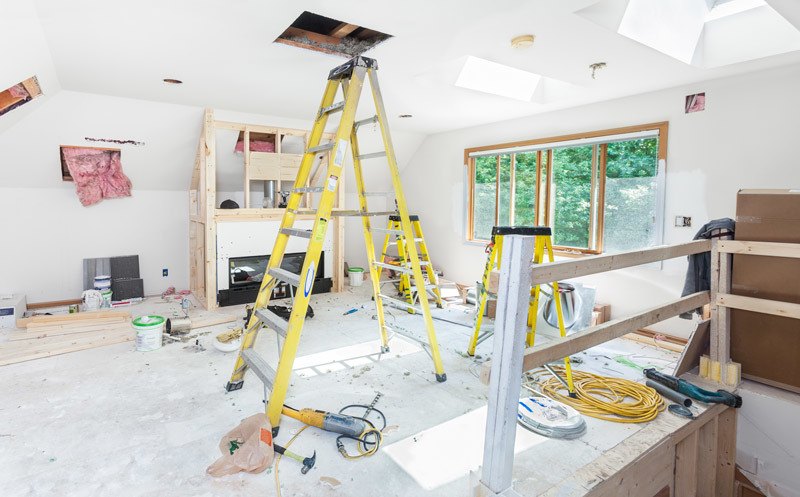
Remodeling a house is one of the most significant investments a homeowner will ever make. Beyond transforming an outdated space into a custom tailored living area, a well-executed renovation builds long-term property equity. However, navigating the cost to remodel a house can quickly become overwhelming. Project estimates vary widely based on square footage, location, structural choices, and material selections.

Understanding the true financial landscape of home remodeling requires looking beyond surface-level figures. By breaking down costs by scope, room type, labor factors, and hidden expenses, property owners can plan a budget that protects their investment while delivering high functional and aesthetic returns.

Understanding Average Home Remodeling Costs by Project Scope

The total cost to remodel a house depends heavily on the depth of the project. Industry data generally categorizes whole-home renovations into three main tiers based on square footage and structural intensity.

Low-End or Refresh Remodels ($15 to $60 per Square Foot)

A low-end remodel focuses primarily on cosmetic updates without altering structural walls, plumbing lines, or electrical layouts. Typical projects include painting interiors, refinishing existing hardwood floors, updating light fixtures, replacing cabinet hardware, and installing mid-range surface finishes. For a 2,000-square-foot home, cosmetic refreshes generally cost between $30,000 and $120,000.

Mid-Range Remodels ($60 to $150 per Square Foot)

Mid-range renovations involve partial layout revisions, updated appliances, high-grade flooring, customized cabinetry, and tile work. This level of remodel often includes updated bathroom vanities, quartz countertops in the kitchen, and modern lighting systems throughout the home. A complete mid-range overhaul for … Read more

3 High-Impact Home Upgrades That Truly Add Value to Your House

Investing in home renovations can feel like navigating a maze of stylistic trends, costly estimates, and endless options. While many homeowners renovate purely for personal enjoyment, savvy property owners look at remodeling through an investment lens. The key to maximizing return on investment (ROI) lies in identifying projects that balance immediate aesthetic appeal with long-term financial equity.

Instead of sinking capital into niche luxury features that quickly fall out of date, focusing on core structural, functional, and modern efficiency improvements yields the strongest market interest. Here is a deep dive into three high-impact home upgrades designed to elevate daily living while significantly boosting resale valuation.

1. The Strategic Kitchen Refresh: High-Yield Modernization

The kitchen remains the undisputed heart of the home, carrying the heaviest weight in real estate valuation metrics. Potential buyers frequently form emotional connections based on kitchen quality, making it a critical focus area for value creation. However, achieving maximum ROI does not require a complete tear-down; targeted, high-touch modernization often outperforms full-scale luxury gut renovations on equity returns.

Focus Areas for High ROI

  • Countertop Upgrades: Replacing outdated laminate or heavily stained tiles with solid-surface engineered quartz offers exceptional durability and timeless visual appeal. Quartz provides low maintenance, stain resistance, and high buyer desirability.
  • Cabinet Renewal: Full cabinet replacements can consume up to 40% of a kitchen budget. Refacing existing solid-wood cabinet frames or professional spray-painting in neutral, modern tones yields a fresh look at a fraction of the cost.
  • Ergonomic Fixtures and Hardware: Swapping outdated brass handles
… Read more

Maximizing Every Square Inch: How to Use Space Strategically at Home

In the modern era of rising real estate costs and the growing trend of urban living, the luxury of sprawling floor plans is becoming a rarity. Whether you reside in a compact city apartment or a suburban family house that simply feels “full,” the challenge remains the same: how to fit your life into your home without it feeling cluttered or chaotic. Strategic space management is not just about organizing; it is an architectural and psychological approach to interior design. It involves rethinking the way we interact with our surroundings to create a home that feels both expansive and functional.

By shifting our focus from “more space” to “smarter space,” we can transform even the smallest dwelling into a highly efficient sanctuary. Here is how you can use space strategically at home.


The Power of Vertical Thinking

Most homeowners look at their floor plan in terms of square footage, focusing primarily on the horizontal plane. However, the most underutilized asset in any home is the vertical space. When floor space is limited, the walls offer a vast canvas for storage and aesthetic expression.

Installing floor-to-ceiling shelving units is one of the most effective ways to draw the eye upward, making a room feel taller while providing immense storage capacity. High shelves can house items used less frequently—such as seasonal decorations or holiday cookware—while lower shelves remain accessible for daily essentials. Additionally, consider wall-mounted solutions for items that traditionally sit on the floor. Wall-mounted desks, floating vanities, and hanging bike … Read more

Comprehensive Strategies to Beautify Your Lawn and Outdoor Area

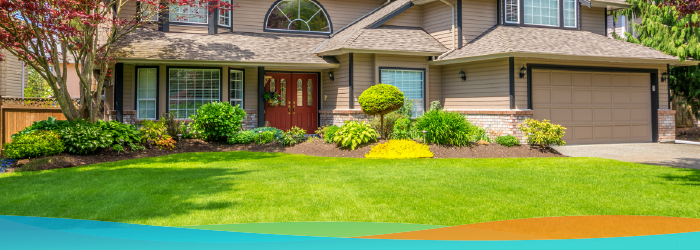
For many homeowners, the outdoor space is more than just a plot of land surrounding a structure; it is an extension of the home itself. A well-maintained lawn and a thoughtfully designed outdoor area can act as a personal sanctuary, a place for social gatherings, and a significant contributor to a property’s overall value. However, achieving a magazine-worthy landscape requires more than just occasional mowing. It demands a strategic blend of horticultural knowledge, aesthetic vision, and consistent maintenance. Whether you have a sprawling backyard or a compact urban patch, the following guide outlines the essential steps to transform your outdoor area into a breathtaking retreat.


Foundations of a Perfect Lawn: Beyond the Surface

A lush, emerald-green lawn is often the centerpiece of a beautiful outdoor area. To achieve this, one must look beneath the grass blades and focus on soil health and proper maintenance techniques.

Understanding Your Soil

The secret to a vibrant lawn lies in the soil. Before planting new seeds or applying fertilizers, it is crucial to understand the pH levels and nutrient content of your dirt. Soil that is too acidic or too alkaline will prevent grass from absorbing essential nutrients, regardless of how much you water it. Aeration is another vital step; over time, soil becomes compacted, preventing oxygen, water, and nutrients from reaching the roots. By aerating your lawn—creating small holes in the soil—you allow the root system to breathe and grow deeper, resulting in a more resilient and drought-resistant turf.

Mastering the Mow… Read more