Investing in home renovations can feel like navigating a maze of stylistic trends, costly estimates, and endless options. While many homeowners renovate purely for personal enjoyment, savvy property owners look at remodeling through an investment lens. The key to maximizing return on investment (ROI) lies in identifying projects that balance immediate aesthetic appeal with long-term financial equity.
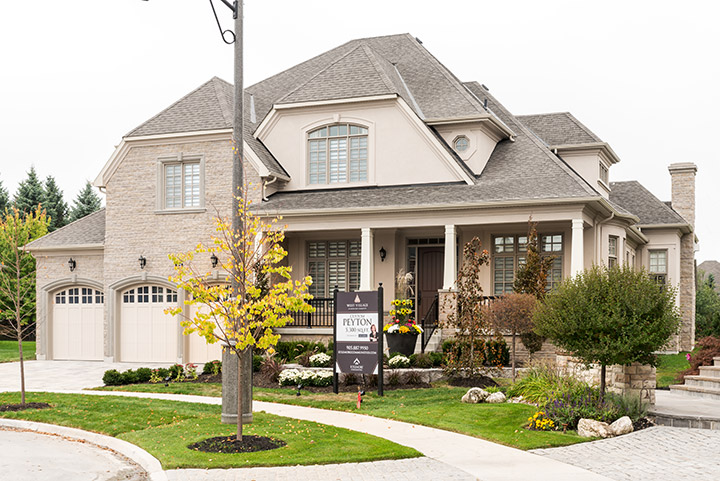
Instead of sinking capital into niche luxury features that quickly fall out of date, focusing on core structural, functional, and modern efficiency improvements yields the strongest market interest. Here is a deep dive into three high-impact home upgrades designed to elevate daily living while significantly boosting resale valuation.
1. The Strategic Kitchen Refresh: High-Yield Modernization
The kitchen remains the undisputed heart of the home, carrying the heaviest weight in real estate valuation metrics. Potential buyers frequently form emotional connections based on kitchen quality, making it a critical focus area for value creation. However, achieving maximum ROI does not require a complete tear-down; targeted, high-touch modernization often outperforms full-scale luxury gut renovations on equity returns.
Focus Areas for High ROI
- Countertop Upgrades: Replacing outdated laminate or heavily stained tiles with solid-surface engineered quartz offers exceptional durability and timeless visual appeal. Quartz provides low maintenance, stain resistance, and high buyer desirability.
- Cabinet Renewal: Full cabinet replacements can consume up to 40% of a kitchen budget. Refacing existing solid-wood cabinet frames or professional spray-painting in neutral, modern tones yields a fresh look at a fraction of the cost.
- Ergonomic Fixtures and Hardware: Swapping outdated brass handles for contemporary brushed nickel, matte black, or soft bronze fixtures immediately updates the aesthetic profile of the space. Adding high-efficiency pull-down faucets enhances everyday utility.
Prioritizing structural cleanliness, bright task lighting, and unified material palettes ensures the kitchen appeals across diverse market demographics while retaining its functional value for years.
2. Flooring Standardization: Hardwood and Premium Vinyl Solutions
Flooring dictates the visual flow and spatial perception of an entire residence. Mismatched materials—such as transitioning from worn carpet to dated tile and discolored laminate across adjacent rooms—visually fragments a floor plan and signals neglected maintenance to prospective evaluators.
Choosing the Right Material Strategy
- Solid or Engineered Hardwood: Hardwood remains the gold standard for long-term equity accumulation. It provides unmatched architectural warmth, can be refinished multiple times, and consistently commands higher appraisal values.
- Luxury Vinyl Plank (LVP): For high-traffic areas, basements, or regions prone to humidity, high-grade LVP featuring a thick wear layer offers waterproof durability alongside wood-grain aesthetics. It delivers exceptional durability while maintaining a clean, cohesive look.
The Value of Visual Continuity
Installing a continuous flooring material across open-concept spaces eliminates visual friction. Continuous sightlines make interior layouts feel significantly larger and brighter. By removing high-maintenance carpets in favor of hypo-allergenic, easy-to-clean hard surfaces, homeowners elevate both hygienic living standards and baseline market appeal.
3. High-Efficiency Infrastructure and Smart Automation
While cosmetic enhancements capture immediate visual interest, modern buyers look beneath the surface. Upgrades that reduce operational overhead, lower carbon footprints, and offer automated home management generate high intrinsic value and set a listing apart in competitive markets.
High-Impact Efficiency Investments
- Smart Climate Control: Installing smart learning thermostats optimizes heating and cooling schedules, delivering measurable monthly utility savings while allowing remote environmental management.
- Insulation and Fenestration Upgrades: Modernizing attic insulation, sealing ductwork, and upgrading to energy-rated double-pane windows reduces thermal leakage. Buyers view well-insulated homes as lower-risk assets with predictable monthly costs.
- Renewable Energy and Smart Monitoring: Integrating solar arrays or whole-home battery backup systems addresses long-term resilience goals. Pair these with smart electrical panels to give occupants precise control over household energy utilization.
Integrating functional smart infrastructure transforms a house into a forward-compatible asset, ensuring it meets modern expectations for sustainability and low cost of ownership.
Conclusion
Maximizing home equity requires choosing upgrades that offer a balance of aesthetic refinement, structural utility, and operational efficiency. By focusing on targeted kitchen refreshes, standardizing durable high-grade flooring, and investing in smart energy efficiency, homeowners secure immediate lifestyle improvements while building long-term property equity. When planned thoughtfully, these key renovations ensure your house remains comfortable to live in today and uniquely competitive on the market tomorrow.