Friedman’s Home Improvement: The Legacy, Local Touch, and Modern Edge of an Independent Giant
In an era dominated by national big-box retail chains and massive online e-commerce platforms, local independent businesses face an uphill battle to maintain market presence. Yet, across Northern California, one regional brand has not only survived the influx of national corporate competitors but has continued to thrive as a dominant force in the retail home center sector: Friedman’s Home Improvement.
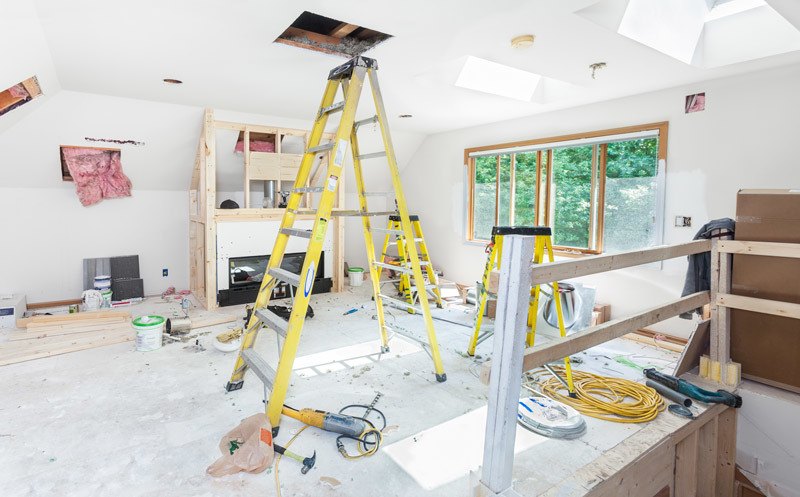
Founded decades ago as a modest family venture, Friedman’s has grown into a multi-location mainstay for contractors, professional builders, and weekend DIY enthusiasts alike. Understanding what sets Friedman’s Home Improvement apart requires looking beyond the shelves of lumber and hardware. The company’s enduring success relies on a unique blend of deep-rooted community connections, tailored regional product inventory, and customer-centric service values that large national retailers struggle to replicate.
The Origin and Evolution of a Regional Icon
The story of Friedman’s Home Improvement began in 1946 when brothers Benny and Joseph Friedman opened a small surplus store in Petaluma, California. What started as a modest post-war operation rooted in resourcefulness gradually transformed to meet the expanding construction and agricultural needs of the North Bay region.
Over the decades, the family-owned enterprise expanded strategically, adding expansive retail and contractor yards across key locations including Santa Rosa, Sonoma, Ukiah, and Petaluma. Rather than overextending across state lines, the leadership team focused on mastering their local geographic footprint. By growing organically alongside Northern California’s wine country, coastal regions, and agricultural hubs, Friedman’s established a resilient brand identity anchored in regional trust and specialized … Read more