Low-Maintenance Landscape Design for New England Homes: A Practical Planning Guide
Table of Contents
- Why Low-Maintenance Design Makes Sense
- Study the Site Before Making Changes
- Set Clear Goals for the Yard
- Choose Plants That Fit the Property
- Reduce Lawn Without Losing Green Space
- Use Hardscape to Simplify Upkeep
- Plan Drainage and Irrigation Early
- Create Useful Outdoor Living Zones
- Build a Simple Seasonal Care Plan
- Common Mistakes to Avoid
- 2026 Landscape Planning Checklist
- Common Questions
- Final Thoughts
A low-maintenance yard is not a yard without chores. It is a landscape arranged to reduce unnecessary mowing, watering, weeding, pruning, and seasonal repairs. Thoughtful landscaping starts with the way a property is actually used, then builds plantings and outdoor areas around those needs.
For New England homeowners, this approach is especially useful. Long winters, freeze-thaw cycles, summer dry spells, falling leaves, snow storage, and changing light conditions can all affect how much work a yard requires. A practical design accounts for those realities before plants, patios, or decorative features are chosen.
Why Low-Maintenance Design Makes Sense
Low-maintenance design means putting effort where it produces lasting value. It may include fewer lawn edges to trim, larger planting beds instead of many narrow ones, plants that suit the available light, and surfaces that are easy to walk on and clean. The result should support daily routines, whether the household has pets, children, frequent guests, or limited time for yard work.
Study the Site Before Making Changes
Observation should come before shopping. Spend time outside at different times of day and after heavy rain. Note where the sun falls, where snow is piled, which spots remain wet, and how people naturally move between the driveway, doors, and backyard. Also identify tree roots, utility access points, existing structures, slopes, views, and areas that need privacy.
Set Clear Goals for the Yard
Every part of the yard should have a reason to exist. A front entry may need a clear approach and welcoming planting, while a backyard may need room for dining, play, gardening, or quiet seating. Durable masonry surfaces can help define circulation and gathering areas, but their size and placement should reflect how people will use the space.
- Keep play and pet areas open, visible, and easy to maintain.
- Place dining close enough to the kitchen for regular use.
- Create privacy with plants or structures where it is genuinely needed.
- Reserve space for bins, hoses, tools, and seasonal storage.
Choose Plants That Fit the Property
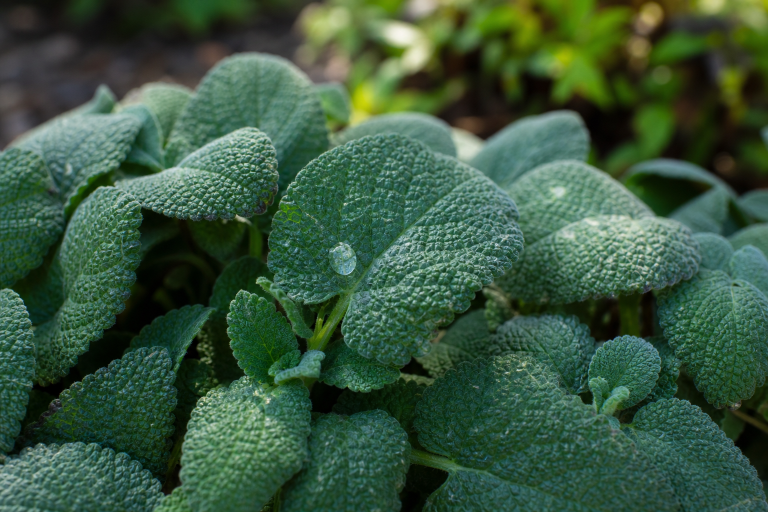
The best-looking plant at a garden center may still struggle in the wrong location. Select plants based on sunlight, soil moisture, winter exposure, mature height and width, and disease resistance. The hardiness zone map can help homeowners understand winter temperature limits, but it should be only one part of the decision. Wind, drainage, salt exposure, and summer heat also matter.
Plant Selection Rules
- Match each plant to the light it will receive after nearby trees mature.
- Group plants with similar water requirements.
- Leave enough room for mature growth and routine access.
- Repeat a limited number of plant varieties for a calmer, easier-care design.
- Include different blooms, foliage, and evergreen features for seasonal interest.
Native and pollinator-friendly plants can be worthwhile choices when they fit the site. However, native does not automatically mean maintenance-free. New plantings still need watering while roots establish, and dense plantings may need occasional thinning, edging, and weed control.
Reduce Lawn Without Losing Green Space
Lawn remains useful for recreation, pets, and visual breathing room, but unused strips along fences, steep slopes, and awkward corners often require more maintenance than they provide. Replacing those areas with mulched beds, ground covers, perennial groupings, gravel paths, or small naturalistic planting zones can reduce mowing without making the property feel crowded.
Use Hardscape to Simplify Upkeep
Paths, patios, steps, walls, and edging can reduce difficult lawn shapes and make outdoor areas more functional. In New England, choose materials and installation methods that can handle frost movement and drainage. Keep the palette simple, provide wide enough routes for walking and equipment, and avoid tight corners where leaves collect, and mowing becomes difficult.
Plan Drainage and Irrigation Early
Water problems should be addressed before planting or paving. Correct grading concerns, direct downspouts away from foundations when appropriate, and avoid placing water-sensitive plants in persistent low spots. A properly located rain garden can collect runoff and allow it to soak into the ground, but it requires suitable soils, safe siting, and careful planning around utilities.
For planting beds, drip irrigation can deliver water close to plant roots with less waste than broad overhead watering. Check the system in spring and before winterization, and adjust watering based on rainfall rather than a fixed schedule.
Create Useful Outdoor Living Zones
Outdoor spaces tend to work best when they serve ordinary life rather than occasional display. A modest seating area near the house, a dining space close to the kitchen, a reading corner, an herb bed, or a clear route from the driveway may provide more value than an oversized feature that is rarely used. Leave room for furniture, movement, and seasonal cleanup.
Build a Simple Seasonal Care Plan
Spring and Summer
- Inspect winter damage, drainage patterns, and hardscape movement.
- Clear debris, refresh mulch only where needed, and prune at the correct time.
- Monitor soil moisture, weeds, pests, and plant stress during dry periods.
Fall and Winter
- Remove diseased plant material and protect vulnerable plants from harsh exposure.
- Clean and store tools, hoses, containers, and furniture.
- Check paths, steps, walls, and drainage before freezing weather arrives.
Common Mistakes to Avoid
- Choosing plants only for appearance.
- Ignoring mature plant size and maintenance access.
- Installing patios before resolving drainage concerns.
- Creating too many small, high-edge planting beds.
- Using the same watering schedule for every plant.
- Assuming a low-maintenance landscape needs no care at all.
2026 Landscape Planning Checklist
- List the activities the yard must support.
- Map sun, shade, slopes, wet areas, utilities, and existing features.
- Identify lawn areas that are useful and areas that only create extra work.
- Choose plants for site conditions, mature size, and seasonal interest.
- Plan drainage, irrigation, lighting, and access before installation.
- Set a realistic budget for construction and future maintenance.
- Check local requirements before major grading, wall, or structural work.
Common Questions
What Does Low-Maintenance Landscaping Really Mean?
It means reducing repetitive work through better layout, durable materials, and appropriate plant choices. Some routine care will always be necessary.
How Much Lawn Should Be Removed?
There is no universal percentage. Start with narrow, unused, or difficult-to-mow areas, then keep the lawn where it supports play, pets, walking, or visual balance.
When Is Professional Guidance Helpful?
Guidance is particularly valuable for grading, drainage, retaining walls, irrigation, large trees, extensive planting, and projects that connect several outdoor zones.
Final Thoughts
A manageable New England landscape begins with practical decisions made before installation. When the plan fits the property, the plants match the conditions, and water, access, and seasonal care are considered early, outdoor space becomes easier to maintain and more enjoyable throughout the year.