Comprehensive Strategies to Beautify Your Lawn and Outdoor Area
For many homeowners, the outdoor space is more than just a plot of land surrounding a structure; it is an extension of the home itself. A well-maintained lawn and a thoughtfully designed outdoor area can act as a personal sanctuary, a place for social gatherings, and a significant contributor to a property’s overall value. However, achieving a magazine-worthy landscape requires more than just occasional mowing. It demands a strategic blend of horticultural knowledge, aesthetic vision, and consistent maintenance. Whether you have a sprawling backyard or a compact urban patch, the following guide outlines the essential steps to transform your outdoor area into a breathtaking retreat.
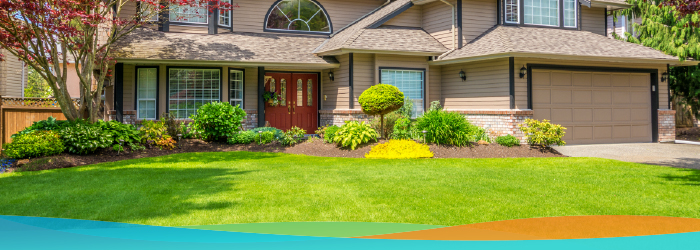
Foundations of a Perfect Lawn: Beyond the Surface
A lush, emerald-green lawn is often the centerpiece of a beautiful outdoor area. To achieve this, one must look beneath the grass blades and focus on soil health and proper maintenance techniques.
Understanding Your Soil
The secret to a vibrant lawn lies in the soil. Before planting new seeds or applying fertilizers, it is crucial to understand the pH levels and nutrient content of your dirt. Soil that is too acidic or too alkaline will prevent grass from absorbing essential nutrients, regardless of how much you water it. Aeration is another vital step; over time, soil becomes compacted, preventing oxygen, water, and nutrients from reaching the roots. By aerating your lawn—creating small holes in the soil—you allow the root system to breathe and grow deeper, resulting in a more resilient and drought-resistant turf.
Mastering the Mow
Most homeowners mow their lawns too short, believing it will save time between trims. However, “scalping” the lawn stresses the grass and encourages weed growth. The ideal practice is to follow the “one-third rule”: never remove more than one-third of the grass blade height in a single cutting. Keeping the grass slightly taller provides shade for the soil, reducing water evaporation and allowing the grass to develop a stronger root system. Additionally, ensure your mower blades are sharp; dull blades tear the grass, leaving it vulnerable to diseases and browning.
Hardscaping: Defining Structure and Flow
While greenery provides the life of the garden, hardscaping provides the bones. Hardscaping refers to the non-living elements of your outdoor space, such as patios, walkways, retaining walls, and decks. These structures define the “rooms” of your outdoor area and guide the flow of movement.
Creating Functional Zones
To maximize the utility of your outdoor area, think of it in terms of zones. You might have a dedicated dining area with a stone patio, a lounging zone with comfortable seating around a fire pit, and a transition zone consisting of a gravel or paver walkway. Using natural stone or slate can provide a timeless, organic feel, while concrete pavers offer a clean, modern aesthetic. The key is to choose materials that complement the architectural style of your home to create a cohesive look.
The Magic of Walkways
Walkways do more than keep your shoes clean; they create a sense of mystery and exploration. A curved path made of stepping stones or brick invites guests to wander through the garden. To enhance the beauty, consider lining your walkways with low-growing perennials or solar-powered “path lights” that provide a soft glow during the evening hours.
Layering the Landscape: Trees, Shrubs, and Flowers
A flat lawn can look one-dimensional. To add depth and visual interest, you must incorporate layering through various heights and textures of vegetation.
Vertical Interest with Trees and Shrubs
Trees act as the anchors of your landscape. They provide privacy, shade, and a home for local wildlife. When selecting trees, consider their “mature size” to ensure they won’t overwhelm your space or interfere with power lines in a decade. Shrubs, on the other hand, serve as excellent borders or “living fences.” Evergreen shrubs provide structure and color even in the dead of winter, ensuring your outdoor area never looks desolate.
The Seasonal Palette of Flowers
Flowers are the jewelry of the garden. For a low-maintenance yet beautiful display, prioritize perennials—plants that return year after year. Lavender, peonies, and hydrangeas offer stunning visuals and delightful scents. To ensure your garden looks beautiful year-round, plan for a “staggered bloom.” Select plants that flower at different times: tulips for spring, marigolds for summer, and chrysanthemums for autumn. This ensures a constant rotation of color throughout the seasons.
Lighting and Water Features: Sensory Enhancements
To truly elevate an outdoor area, one must appeal to more than just the sense of sight. Sensory elements like the sound of water and the ambiance of light can transform a simple backyard into a luxury experience.
Strategic Outdoor Lighting
Landscape lighting serves two purposes: safety and drama. Uplighting a majestic oak tree or silhouetting a decorative statue creates a sophisticated nighttime atmosphere. String lights (or “bistro lights”) draped over a seating area provide a festive, cozy vibe perfect for evening dinners. Always opt for LED bulbs with a “warm” color temperature to avoid a harsh, clinical look.
The Tranquility of Water
The sound of trickling water is naturally soothing and can help mask neighborhood noise. You don’t need a massive pond to enjoy this; a simple wall-mounted fountain or a bubbling “basalt column” can provide the same auditory benefits. Water features also attract birds and butterflies, adding a dynamic, living element to your outdoor space.
Sustainable Practices for a Greener Tomorrow
Beautifying your outdoor area should not come at the expense of the environment. Sustainable gardening, or “xeriscaping,” is a growing trend that focuses on water conservation and ecological balance.
Using native plants is the most effective way to be sustainable. Native species are already adapted to your local climate and soil, meaning they require significantly less water, fertilizer, and pesticides than exotic varieties. Additionally, consider installing a rain barrel to collect runoff from your roof, which can be used to water your garden during dry spells. Not only is this better for the planet, but it also reduces your monthly utility bills.
Conclusion
Beautifying your lawn and outdoor area is a journey of patience and creativity. It is a process of working with nature to create a space that reflects your personality and meets your lifestyle needs. By focusing on the health of your soil, creating structural interest through hardscaping, layering your plantings, and adding sensory details like lighting and water, you can create an outdoor masterpiece.
Remember that a garden is never truly “finished”; it is a living entity that grows and changes with the seasons. The effort you invest in your outdoor area today will pay dividends in the form of peace, beauty, and memories shared with loved ones under the open sky. Whether you are planting a single tree or embarking on a full landscape renovation, the goal is the same: to create a piece of paradise right outside your door.