Remodeling a house is one of the most significant investments a homeowner will ever make. Beyond transforming an outdated space into a custom tailored living area, a well-executed renovation builds long-term property equity. However, navigating the cost to remodel a house can quickly become overwhelming. Project estimates vary widely based on square footage, location, structural choices, and material selections.
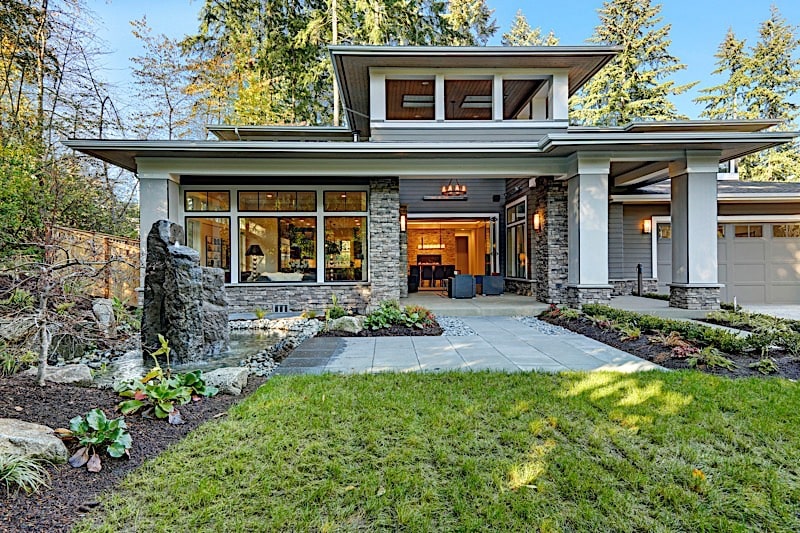
Understanding the true financial landscape of home remodeling requires looking beyond surface-level figures. By breaking down costs by scope, room type, labor factors, and hidden expenses, property owners can plan a budget that protects their investment while delivering high functional and aesthetic returns.
Understanding Average Home Remodeling Costs by Project Scope
The total cost to remodel a house depends heavily on the depth of the project. Industry data generally categorizes whole-home renovations into three main tiers based on square footage and structural intensity.
Low-End or Refresh Remodels ($15 to $60 per Square Foot)
A low-end remodel focuses primarily on cosmetic updates without altering structural walls, plumbing lines, or electrical layouts. Typical projects include painting interiors, refinishing existing hardwood floors, updating light fixtures, replacing cabinet hardware, and installing mid-range surface finishes. For a 2,000-square-foot home, cosmetic refreshes generally cost between $30,000 and $120,000.
Mid-Range Remodels ($60 to $150 per Square Foot)
Mid-range renovations involve partial layout revisions, updated appliances, high-grade flooring, customized cabinetry, and tile work. This level of remodel often includes updated bathroom vanities, quartz countertops in the kitchen, and modern lighting systems throughout the home. A complete mid-range overhaul for a 2,000-square-foot property typically runs from $120,000 to $300,000.
High-End or Structural Remodels ($150 to $400+ per Square Foot)
High-end remodels combine luxury finish selections with structural modifications, such as removing load-bearing walls, expanding footprints, updating aged mechanical networks, and installing custom architectural millwork. Incorporating high-tier materials like imported marble, commercial-grade appliances, and custom structural glass pushes investment levels past $300,000 for a standard family residence, often exceeding $800,000 for luxury properties.
Room-by-Room Breakdown: Where the Budget Actually Goes
Not all square footage costs the same to renovate. Spaces packed with plumbing fixtures, electrical capacity demands, and specialized cabinetry absorb a disproportionate share of the overall renovation budget.
1. Kitchen Remodeling Costs
The kitchen routinely tops the list as the most expensive room to remodel per square foot.
- Minor Kitchen Update ($15,000 – $30,000): Refacing cabinets, updating backsplash tile, replacing sink hardware, and upgrading to mid-tier quartz or granite counters.
- Major Kitchen Overhaul ($45,000 – $100,000+): Custom cabinet builds, layout reconfiguration, professional-grade appliance suites, structural lighting design, and premium solid-surface island installations.
2. Bathroom Remodeling Costs
Bathrooms feature concentrated plumbing and tile demands, making them high-value yet labor-intensive spaces.
- Powder Room Refresh ($5,000 – $12,000): New vanity, modern mirror, updated toilet, and fresh paint.
- Full Primary Suite Bathroom ($20,000 – $60,000+): Expanding room boundaries, installing custom glass walk-in tile showers, freestanding soaking tubs, radiant floor heating, and dual custom vanities.
3. Living Rooms, Bedrooms, and Common Areas
Dry living spaces are significantly less expensive to update on a per-square-foot basis because they do not require complex plumbing infrastructure.
- Average Cost ($5 to $35 per Square Foot): Work in these areas focuses primarily on subfloor prep, premium flooring installation, drywall repair, updated baseboards, recessed lighting additions, and built-in shelving units.
Exterior and Structural Factors Influencing Remodel Budgets
Visual aesthetic updates are only part of the equation. Infrastructure integrity and exterior upgrades absorb substantial capital during whole-home renovations.
Mechanical, Electrical, and Plumbing (MEP) Upgrades
In older properties, existing electrical panels, galvanized steel plumbing, and outdated HVAC systems must often be brought up to modern building codes before aesthetic work begins.
- Electrical Panel Upgrades (200-Amp Service): $2,500 – $5,000
- Full House Repiping: $4,000 – $12,000
- HVAC System Replacement: $7,000 – $16,000
Roof, Siding, and Envelope Work
Protecting interior finishes requires a sound building envelope. Replacing an aging asphalt shingle roof costs between $8,000 and $20,000, while complete fiber-cement siding installation adds another $12,000 to $30,000 depending on home size.
Hidden Costs and Essential Contingency Planning
Unforeseen challenges are common during home renovations. Failing to account for secondary expenses can delay timelines and create significant financial stress.
Common Unforeseen Expenses
- Structural Remediation: Uncovering water rot, termite damage, or unpermitted previous construction when opening walls.
- Hazardous Material Abatement: Safe removal of asbestos insulation, acoustic ceiling textures, or lead paint in homes built before 1978.
- Permitting and Municipal Fees: Local permits, structural engineering reviews, and city inspection fees can add $1,000 to $6,000 to project costs.
- Temporary Relocation: Renting temporary housing during major structural renovations adds directly to total project outlay.
The 20% Contingency Rule
Financial experts strongly advise setting aside a dedicated, untouched contingency budget equal to 15% to 20% of the total project contract. This financial buffer ensures that hidden issues can be addressed immediately without forcing compromises on planned finish materials.
Conclusion
Calculating the overall cost to remodel a house requires balancing functional necessities, aesthetic priorities, and long-term equity growth. While low-end cosmetic refreshes offer affordable aesthetic updates, comprehensive structural renovations demand significant capital investments backed by detailed financial planning. By conducting thorough pre-construction assessments, prioritizing mechanical infrastructure alongside high-impact spaces like kitchens and baths, and maintaining a strict 20% contingency fund, homeowners can successfully navigate the remodeling process and build lasting property value.