How To Create a Backyard Paradise in 4 Transformative Steps
Your backyard is more than just an extension of your house; it is a canvas for outdoor living, a private sanctuary, and a vital source of connection to nature. Too often, this space is left uninspired—a patchy lawn and a neglect patio. Transforming it into a personal paradise doesn’t require an unlimited budget or a landscape architect; it requires a clear strategy focused on zoning, ambiance, functionality, and nature integration. By following four transformative steps, you can unlock the hidden potential of your outdoor space, creating a beautiful and functional retreat that truly extends your home’s livable area.
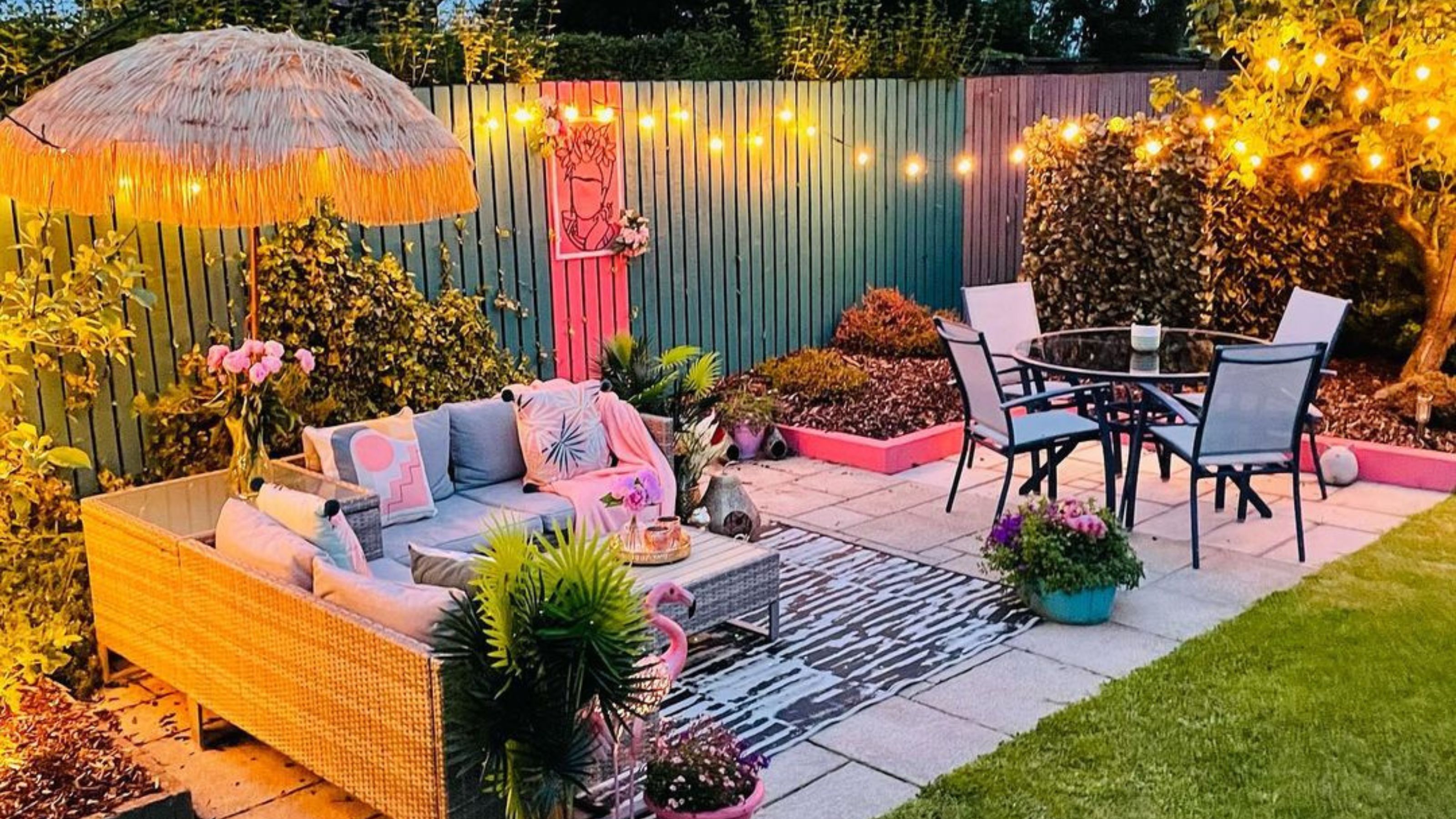
This guide simplifies the complex process of backyard renovation, providing a clear roadmap to turn a mundane yard into a genuine outdoor haven that maximizes comfort, beauty, and long-term enjoyment.
Step 1: Define Zones and Establish Purpose (The Blueprint Phase)
A disorganized backyard feels chaotic. The first secret to creating a paradise is treating the space like an indoor floor plan: define specific areas for specific activities. This establishes structure and flow.
- Identify Core Functions: Determine what you need the space for: dining, lounging, cooking, entertaining, or quiet reflection. Your core functions dictate the required size and location of each zone.
- The “Room” Concept: Create distinct outdoor “rooms.” Use physical barriers like pergolas, low retaining walls, different flooring materials (e.g., pavers for the dining area, wood decking for the lounge), or dense plantings to separate these zones.
- The Flow and Pathing: Ensure there is a logical flow between zones. The path from the kitchen door should lead naturally to the dining zone, and from the dining zone, to the dedicated relaxation area. Use simple pathways (gravel, stepping stones, or concrete) to guide movement and prevent people from cutting across the lawn.
- Crucial Consideration: Orientation: Note where the sun rises and sets. Place the main dining area and permanent cooking structures (like a grill or pizza oven) where they will benefit from evening shade, and situate the lounging area to maximize morning or sunset views.
Step 2: Establish Ambiance with Lighting and Sound (The Mood Setter)
Once the functional layout is establish, the next step is layering the sensory elements that define the space’s mood and atmosphere. Lighting and sound are non-negotiable for creating a true paradise, especially after sunset.
- Layered Lighting Strategy: Avoid harsh, single-point floodlights. Use a combination of layered light sources:
- Safety Lighting: Low-voltage path lighting along walkways, steps, and edges for safe navigation.
- Ambient Lighting: Strings of café lights or lanterns hung over dining/lounge areas to provide a warm, inviting glow.
- Accent Lighting: Uplighting focused on trees, architectural features, or textured walls to add depth and drama. Use warm-toned LEDs (2700K to 3000K) for a cozy, resort-like feel.
- Sound Integration: Incorporate subtle background sound. This could be a professionally install, all-weather outdoor speaker system. Integrated with your home audio, or simply the natural, soothing sound of water.
- The Water Element: A small fountain, bubbling rock feature, or a tiny pond provides white noise that effectively masks traffic. And neighborhood noise, instantly enhancing the sense of tranquility and seclusion.
Step 3: Prioritize Comfort and Functionality (The Furniture Investment)
The difference between a functional patio and a paradise lies in the quality and purpose of the furniture and amenities. Investing in the right pieces ensures the space is used regularly.
- Commercial-Grade Comfort: Choose durable, high-quality outdoor furniture built to withstand the elements (aluminum, teak, or high-density plastic). More importantly, ensure the cushions are thick, comfortable, and made from weather-resistant fabrics (like Sunbrella) that resist fading and mold. If the seating isn’t comfortable, no one will stay outside.
- Shelter and Shade: Provide adequate shelter. This could be a permanent structure like a cedar pergola draped with vines. A motorized retractable awning, or large, cantilevered umbrellas. Shade extends the usable hours of your backyard during hot summer days.
- Weather Extension Features: To truly make the space a four-season paradise, incorporate features that defy the cold: a built-in fire pit, a high-quality propane or electric patio heater, or a dedicated outdoor fireplace. This makes the space functional even on cool evenings.
Step 4: Integrate Nature and Privacy (The Final Polish)
A paradise feels like an escape, and that requires separating the space from the outside world and softening hard lines with natural elements.
- Privacy Screening: If your yard is overlooked, integrate living screens. Use tall, fast-growing evergreen shrubs (like bamboo or columnar evergreens) or built-in wooden screens with trailing vines. This creates necessary seclusion without the harshness of a solid wall.
- Vertical Gardening: Utilize vertical space, especially in small yards. Install wall planters, vertical herb gardens, or espaliered fruit trees. This draws the eye upward, making the space feel larger and adding layers of greenery.
- Sensory Plantings: Choose plants not just for visual appeal, but for scent. Place fragrant herbs (rosemary, mint) or flowers (lavender, jasmine) near seating areas and walkways to engage the senses, completing the immersive, paradise-like experience.
Conclusion
Creating a backyard paradise is an achievable goal that dramatically enhances the livability and enjoyment of your home. The process is best achieved by working through four strategic steps: first, establishing purposeful zones and flow; second, setting the mood with layered lighting and sound; third, investing in comfort and shelter; and finally, integrating privacy and natural elements. By focusing on these functional and sensory details, you transform a simple yard into a personal, enduring retreat—your own slice of sanctuary, just steps from your back door.
Would you like an article focusing on cost-effective DIY projects for adding water features to a small backyard?