Fire Safety in Healthcare Facilities: Protecting Patients, Staff, and Visitors
Fire safety in healthcare facilities encompasses a unique set of challenges due to the vulnerability of the populations they serve and the complexity of the environments. Hospitals, nursing homes, and other medical institutions are not just buildings but vital centres where lives are saved and sustained. Ensuring their safety from fire hazards requires meticulous planning, advanced technology, and a deep understanding of regulatory environments and practical realities. This blog post explores the essential elements of fire safety explicitly tailored for healthcare settings, emphasising the critical need for robust fire safety protocols.
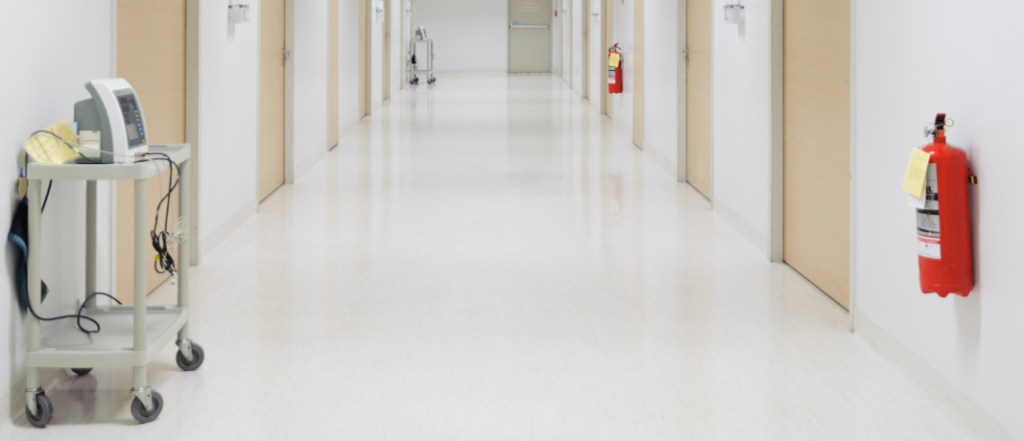
Healthcare facilities often care for individuals with limited mobility or cognitive impairments, challenging traditional evacuation methods. Patients with mobility issues may require special equipment or assistance to evacuate, while those with mental impairments may not respond to alarms or instructions in a typical manner. This section discusses how fire safety plans in healthcare settings must be designed to accommodate these needs, ensuring that all patients can be evacuated safely and efficiently during a fire. Specialised training for staff, personalised evacuation plans, and clear, accessible escape routes are just a few of the measures needed to protect these vulnerable groups.
Healthcare facilities must adhere to stringent fire safety regulations to protect patients, staff, and visitors. These regulations are often more rigorous than those for other types of buildings due to the high risks associated with the populations they serve. This section will explain the essential legal requirements, including fire drills, equipment checks, and building codes, designed to minimise the fire … Read more