The Timeless Allure of Small Living: A Comprehensive Guide to Cottage House Plans
In an era dominated by sprawling suburban mansions and high-rise urban apartments, there is a growing movement toward something more intimate, sustainable, and charming. Cottage house plans have captured the hearts of homeowners worldwide, offering a nostalgic return to simpler times without sacrificing the comforts of modern living. Whether it is a primary residence for a minimalist lifestyle or a weekend getaway nestled in the woods, a cottage is more than just a small house; it is a philosophy of living that prioritizes character over square footage.
Defining the Cottage Aesthetic
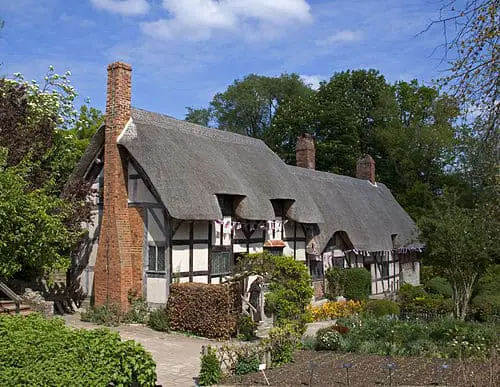
The term “cottage” originally referred to a small, cozy dwelling, typically in a rural or semi-rural location. While the definition has expanded over the centuries, the core architectural elements remain consistent. Modern cottage house plans often draw inspiration from English country homes, French provincial farmhouses, and coastal beach bungalows.
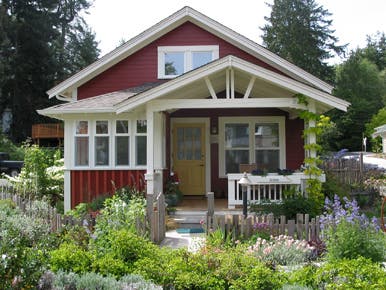
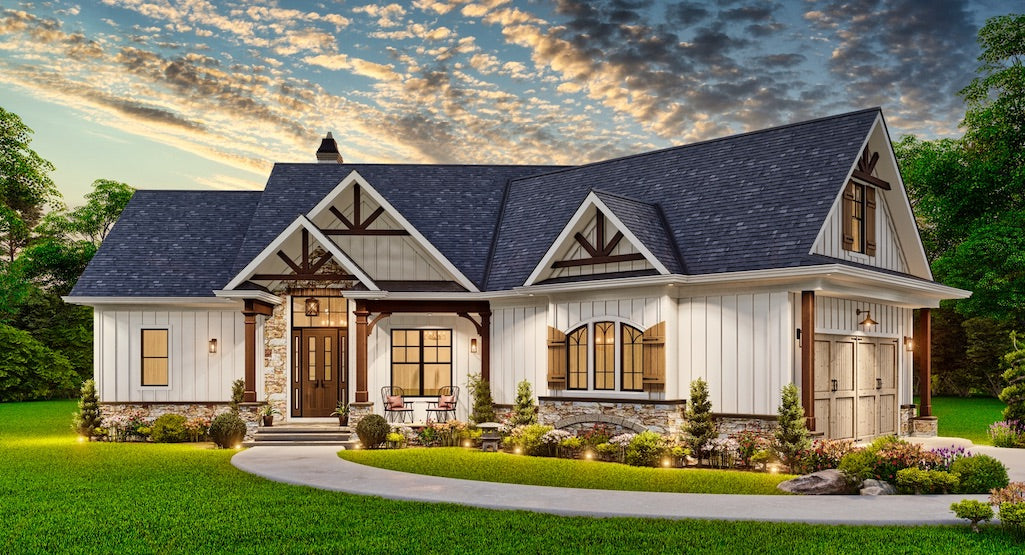
Key characteristics of these plans include steep rooflines, cross-gables, and prominent chimneys. You will often find inviting front porches, window boxes overflowing with flowers, and the use of natural materials like stone, brick, and wood siding. The goal of a cottage design is to blend seamlessly into its natural surroundings, appearing as though it grew out of the landscape rather than being imposed upon it.
The Interior Philosophy: Maximizing Every Inch
One of the most fascinating aspects of professional cottage house plans is the ingenious use of space. When you are working with a smaller footprint—typically ranging from 800 to 1,800 square feet—every inch must serve a purpose.
Open Concept Layouts
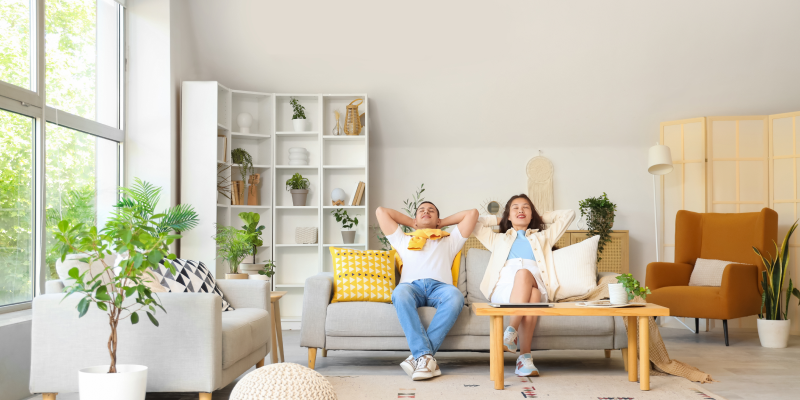
To prevent a small home from feeling cramped, modern cottage plans almost always utilize an open-concept living area. By combining the kitchen, dining room, and living room into a single “great room,” the space feels airy and expansive. Large windows and vaulted ceilings are often used to draw the eye upward and outward, creating an illusion of grandeur that belies the home’s actual dimensions.
Built-In Solutions
Cottage living encourages a clutter-free life. Architects achieve this by integrating built-in storage solutions that are both functional and aesthetic. Think window seats with hidden drawers, floor-to-ceiling bookshelves that frame a fireplace, and “mudroom” nooks tucked into entryways. These features add the “nook and cranny” charm that people love about historic cottages while providing the organization required for modern life.
Choosing the Right Style for Your Landscape
Cottage house plans are not one-size-fits-all. The design should reflect both your personal taste and the geographic location of the build.
The English Country Cottage
This style is perhaps the most iconic. It features asymmetrical shapes, thatched or shingled roofs, and stone exteriors. These plans are perfect for lush, green lots and appeal to those who want a fairytale-like atmosphere.
The Coastal or Lakefront Bungalow
Designed for life near the water, these cottages often feature “wrapped” porches and large sliding glass doors to maximize views. The materials are usually weather-resistant, such as cedar shingles or fiber cement siding, and the floor plans are elevated to account for coastal conditions.
The Modern Farmhouse Cottage
A contemporary twist on the classic, this style combines the rustic warmth of a farmhouse with the compact efficiency of a cottage. It usually features board-and-batten siding, black window frames, and a clean, monochromatic color palette.
The Benefits of Building Small
Choosing a cottage house plan is a strategic decision that offers several long-term advantages:
- Affordability: With fewer square feet to build, your initial construction costs are significantly lower. This allows homeowners to invest more in high-quality finishes, such as quartz countertops, hardwood floors, or custom cabinetry, which might be over-budget in a larger home.
- Energy Efficiency: Small homes are inherently more “green.” They require less energy to heat in the winter and cool in the summer. Many modern cottage plans are designed with sustainability in mind, featuring high-performance insulation and passive solar heating.
- Reduced Maintenance: A smaller exterior and a compact interior mean less time spent on chores. Whether it is mowing a smaller lawn or cleaning fewer rooms, a cottage frees up your time to focus on hobbies, family, and relaxation.
- Intimacy and Connection: Large houses can often feel isolating. The scale of a cottage encourages closer interaction among family members and creates a warm, “hygge” environment that is difficult to replicate in a cavernous space.
Critical Considerations Before You Build
While the idea of a cottage is romantic, the planning stage requires practical thinking. Before selecting a plan, consider your long-term needs. Will you need a “flex room” for a home office? Is the master bedroom located on the main floor to allow for “aging in place”?
Additionally, check your local building codes and setbacks. Some municipalities have minimum square footage requirements or specific architectural guidelines for certain neighborhoods. Working with a professional architect or a reputable plan provider ensures that your dream cottage is not only beautiful but also compliant with all technical standards.
Conclusion
Cottage house plans represent a timeless marriage of form and function. They prove that you do not need a massive estate to live a life of comfort and elegance. By focusing on high-quality design, smart storage, and a deep connection to the outdoors, a cottage provides a sanctuary that feels both expansive and protective.
In a world that often demands “more,” the cottage stands as a testament to the beauty of “enough.” It is a home that invites you to slow down, breathe deeply, and appreciate the small details—the way the light hits the breakfast nook, the sound of rain on a steep roof, or the comfort of a porch swing. Whether you are a young couple starting out, a solo dweller seeking peace, or a retiree looking to downsize, a cottage house plan offers a path to a more intentional and joyful way of living. Build small, live large, and let your home be a reflection of the cozy, beautiful life you deserve.