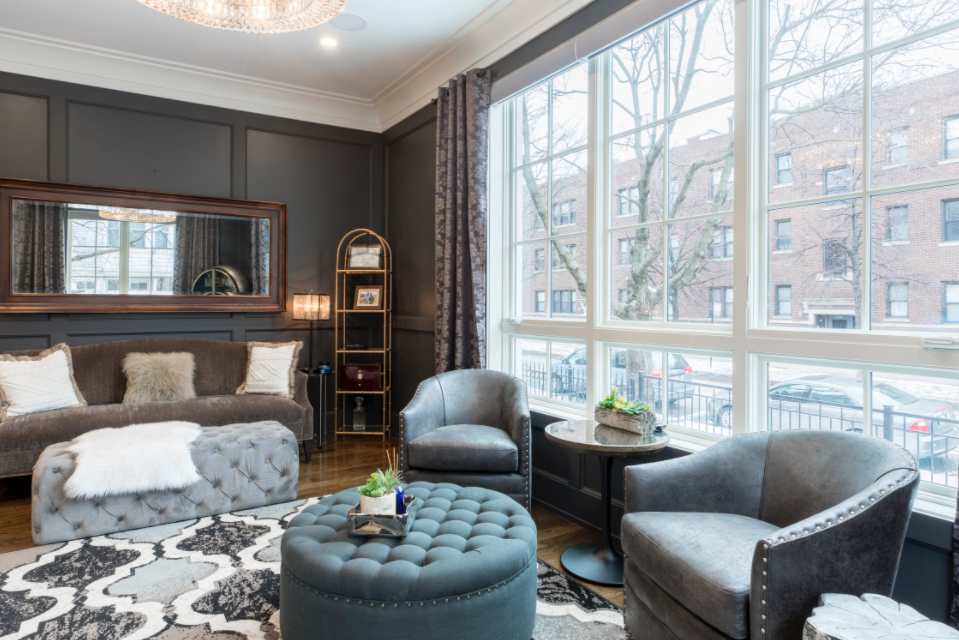
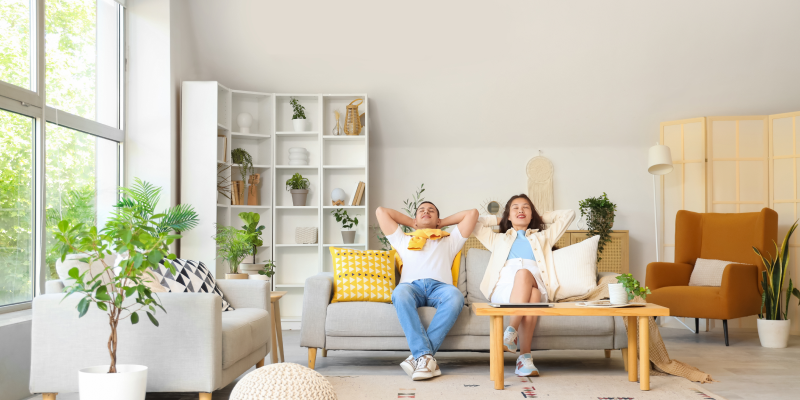
Illuminating Grandeur: A Comprehensive Guide to Lighting for Big Homes
Lighting in any home is essential, but in a large house or estate, it becomes a crucial element of design, security, and functionality. In sprawling spaces, poor lighting can lead to vast, dark, and unusable areas, making the home feel cold and disjointed. Conversely, thoughtful lighting design can accentuate architectural features, define different zones within open concepts, enhance safety, and create specific moods that elevate the sense of luxury and warmth. Effective lighting for a big home requires a strategic, layered approach that moves beyond simple overhead fixtures to embrace the power of technology and nuanced design principles.

This article provides a comprehensive guide to mastering the art of illumination in large residences, focusing on the essential strategies that transform square footage into a beautifully lit, highly functional sanctuary.
1. The Three Layers of Light: The Foundational Strategy
For large spaces, relying on a single type of lighting is the biggest mistake. Professional lighting design uses a combination of three distinct layers to ensure every corner is properly illuminated and aesthetically pleasing.
A. Ambient (General) Lighting
This is the primary light source, providing uniform illumination for safe movement throughout the space.
- Strategy in Big Homes: For large open-plan areas, rely on recessed LED pot lights placed strategically to provide even coverage. Use dimmers on every circuit to control the overall brightness. In grand entryways or dining rooms, a large, statement chandelier or pendant fixture can serve as both the primary ambient source and a decorative focal point.
- Key Consideration: Ensure fixtures are spaced correctly to avoid “hot spots” (areas of glaring brightness) or “shadow valleys” (dark, under-lit corners).
B. Task Lighting
This layer focuses bright, concentrated light where specific activities occur, crucial in multi-functional spaces typical of large homes.
- Kitchen and Office: Undercabinet lighting is essential in the kitchen to eliminate shadows cast by overhead fixtures, making prep work safe and easy. In a home office or library, use adjustable desk lamps and focused track lighting.
- Bathrooms: Place lighting fixtures on the sides of the mirror (sconces) rather than just overhead, which provides even illumination for grooming tasks and prevents shadows under the eyes and chin.
C. Accent Lighting
This is the decorative layer, used to draw attention to architectural features, artwork, or textures, adding depth and visual interest to large, static walls.
- Highlighting Features: Use track lighting or narrow-beam spotlights to illuminate art pieces, built-in shelving, or stone fireplaces. Low-level lighting (like path lights or toe-kick lighting) can be used along hallways or staircases to add drama and guide movement safely.
2. Mastering Color Temperature and Dimming
In large luxury homes, the quality of light is as important as the quantity. Color temperature and control systems are non-negotiable for creating the desired ambiance.
Color Temperature (Kelvin)
The “color” of the light (measured in Kelvin, K) drastically affects the mood of a room.
- Warm White (2700K – 3000K): Ideal for intimate, relaxing spaces like bedrooms, living rooms, and formal dining areas. It provides a cozy, yellow-toned light similar to candlelight.
- Neutral White (3500K – 4000K): Best for high-activity areas where visual clarity is needed, such as kitchens, laundry rooms, and home offices. It provides a bright, crisp light without being harsh.
- Consistency is Key: Use the same color temperature within a single open space to maintain visual harmony and avoid jarring transitions.
Smart Dimming and Automation
For homes with dozens or hundreds of light fixtures, a centralized control system is a necessity, not a luxury.
- Zoning Control: A sophisticated system allows the homeowner to group and control lights by zone or room from a single wall panel, remote, or smartphone app. You can adjust the chandelier, the cabinet lights, and the accent lights independently or simultaneously.
- Scene Setting: Program lighting “scenes” for different activities (e.g., “Movie Night” dims the main lights and turns on the floor lamps; “Entertaining” brightens the living area and highlights the artwork). This instantly changes the mood across the large space with one command.
3. Integrating Exterior and Security Lighting
A large home needs its exterior lighting to match the interior’s grandeur, while also fulfilling critical safety and security functions across expansive grounds.
Exterior Illumination
- Architectural Uplighting: Use in-ground or mounted fixtures to dramatically illuminate the home’s facade, columns, and gables, emphasizing the scale and architecture after dark.
- Landscape Lighting: Subtly illuminate trees, garden beds, and water features. This not only enhances beauty but also extends the perceived size of the home’s usable space into the night.
Security and Safety
- Path and Step Lighting: Low-voltage lighting along walkways, driveways, and stairs is crucial for safety and navigation across large properties.
- Motion Sensors: Integrate motion-activated floodlights into the security system. These act as an excellent deterrent by instantly flooding dark perimeter areas with bright light. Crucially, the system should send an alert to the homeowner’s smart device when triggered, integrating security with lighting.
Conclusion
Lighting a big home requires strategic planning that views illumination as a form of architecture itself. By consistently applying the three layers of light (ambient, task, and accent), precisely managing the color temperature, and utilizing smart control systems for easy automation, homeowners can transform expansive square footage into a cohesive, warm, and secure living environment. Effective lighting design ensures that every space, no matter how large, feels intentional, functional, and utterly welcoming.