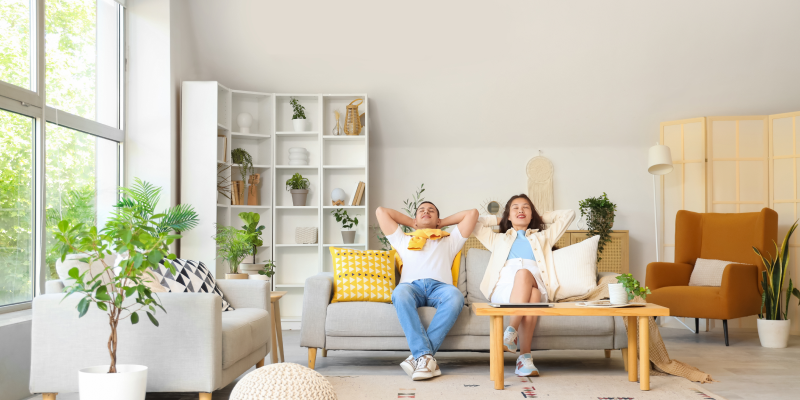
Embracing the Unbeatable Reasons for Your Small Home
In a culture that often equates success with ever-increasing square footage, it is easy to feel pressure to pursue the biggest house possible. Yet, a growing global movement is rediscovering the profound benefits of living small. A small home—whether a cozy apartment, a minimalist condo, or a purposely designed tiny house—offers advantages that go far beyond aesthetics. It is a strategic choice that delivers unexpected financial freedom, mental clarity, and a deeper connection to community and sustainable living. Embracing “less is more” in housing is not about sacrificing comfort; it’s about optimizing life.
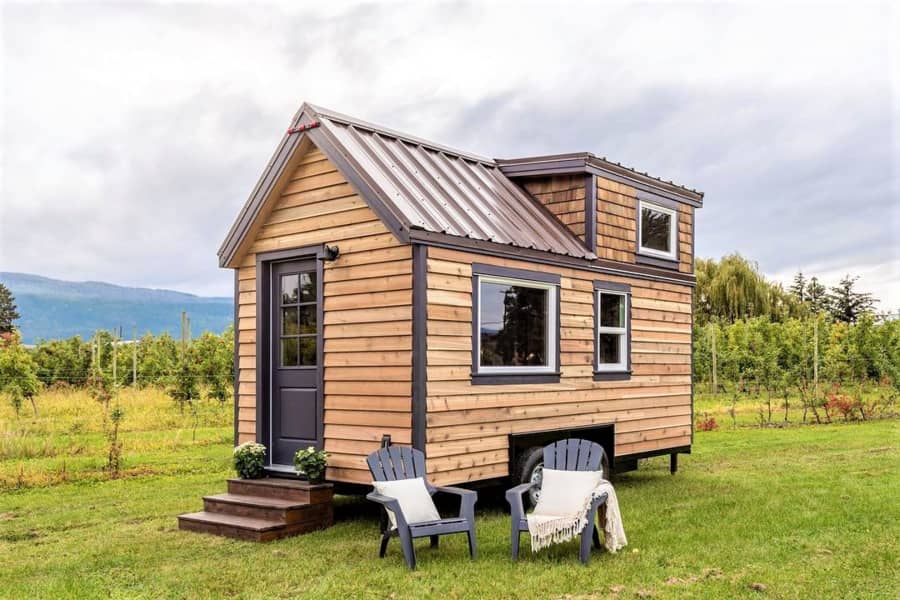
This article explores the compelling and powerful reasons why choosing a small home is a brilliant and intentional lifestyle decision for the modern, mindful inhabitant.
1. The Financial Freedom Factor (Lower Costs, Higher Savings)
The most immediate and quantifiable benefit of a small home is the liberation it offers from the crushing financial burden of large properties. This single factor often unlocks unprecedented lifestyle choices.
- Reduced Acquisition Cost: Simply put, a smaller home requires a significantly smaller mortgage, dramatically lowering monthly housing payments and accruing less interest over the life of the loan. This frees up capital to invest, travel, or achieve early retirement.
- Lower Operational Expenses: The costs associated with running a large home are immense. Smaller homes have lower property taxes, require less electricity for lighting and heating/cooling (HVAC), and incur smaller insurance premiums. The ongoing utility savings alone can amount to hundreds, if not thousands, of dollars annually.
- Minimal Maintenance: Less square footage means fewer surfaces to clean, fewer roof shingles to replace, and less yard to maintain. This translates to substantial savings in both time and outsourced labor costs, preventing the constant, budget-draining cycle of maintenance common in large houses.
2. A Catalyst for Decluttering and Mental Clarity
The constraints of a small home force a rigorous discipline regarding possessions, acting as a powerful antidote to modern consumerism and promoting psychological well-being.
- Intentional Consumption: When you have limited storage, every new item that enters the home must be judged against a high bar: is it truly useful or deeply loved? This intentionality drastically reduces impulse buying and clutter accumulation.
- Easy Maintenance, Less Stress: Small homes are inherently easier to keep tidy. Cleaning a few hundred square feet takes minutes, not hours. This reduction in maintenance time directly translates into reduced stress and more time dedicated to hobbies, family, or rest.
- Promoting Mindfulness: With fewer objects vying for attention, the small home environment fosters a sense of calm and focus. It encourages occupants to appreciate the quality and utility of the few things they own, rather than being overwhelmed by a sea of possessions.
3. Designing for Efficiency and High Functionality
Small-home design is not about squeezing things in; it’s about smart, multi-functional design. This necessity breeds innovation, resulting in spaces that are highly efficient and tailored to the occupant’s actual needs.
- Vertical and Hidden Storage: Small spaces utilize every dimension. Smart design incorporates vertical storage (floor-to-ceiling shelving), hidden storage (under beds or benches), and multi-purpose furniture (e.g., tables that convert into desks, or beds that fold into the wall).
- Zoning and Purpose: Every square foot in a small home must earn its place. This often leads to superior functionality per square foot than in a large home, where rooms often sit empty for months. A small living area often encourages greater use of local parks, libraries, and community spaces, effectively expanding the “home” beyond its physical walls.
- Fostering Connection: Open-plan small homes naturally encourage interaction and closeness among family members. The absence of long hallways or multiple unused rooms means residents are more likely to share time and conversation in common areas.
4. The Sustainable, Ethical Choice
For individuals concerned with environmental impact and sustainable living, choosing a smaller footprint is one of the most effective personal decisions they can make.
- Reduced Carbon Footprint: Smaller homes require significantly less raw material to build and dramatically less energy (electricity and gas) to heat and cool over their lifespan. This translates to a lower carbon footprint in both construction and operation.
- Conserving Resources: Less space means less consumption. The need to maintain minimalism organically leads to lower consumption of cleaning products, decorations, and general household goods.
- Land Use Efficiency: Choosing a smaller home, particularly in urban areas or dense communities, promotes more efficient land use, reducing sprawl and preserving natural spaces outside city limits.
Conclusion
Choosing a small home is a powerful and strategic decision that prioritizes experiences and freedom over possessions and excess maintenance. The benefits—from profound financial relief and reduced environmental impact to greater mental clarity and smarter, more efficient design—make the small home an ideal choice for the contemporary individual. It challenges the conventional notion of what a “dream home” must be, proving that the most valuable spaces are often those that require less, allowing their inhabitants to live richer, more mindful lives.
Would you be interested in an article detailing specific minimalist organization tips for maximizing storage and functionality in a small home?