Beyond the Car: Unlocking the Hidden Potential When You Renovate the Garage
For too long, the garage has been the forgotten zone of the home—a dusty repository for tools, seasonal decorations, and, sometimes, an actual car. Often underutilized and poorly organized, it represents a vast, untapped reserve of square footage and functional potential. A strategic garage renovation is no longer just about adding storage; it is one of the most cost-effective ways to increase your home’s livable, adaptable space and significantly boost its value. By treating the garage as a genuine extension of your home’s interior, you can transform it into a dedicated workshop, a versatile home gym, a comfortable auxiliary office, or a highly organized utility hub.
This article explores the compelling reasons and essential strategies for renovating the garage, demonstrating how this once-neglected space can become a powerhouse of functionality and design.
1. The Power of Purpose: Defining the New Space
The first and most critical step in renovating the garage is abandoning its default identity and clearly defining its new, specialized purpose. This intentionality guides all subsequent design and material choices.
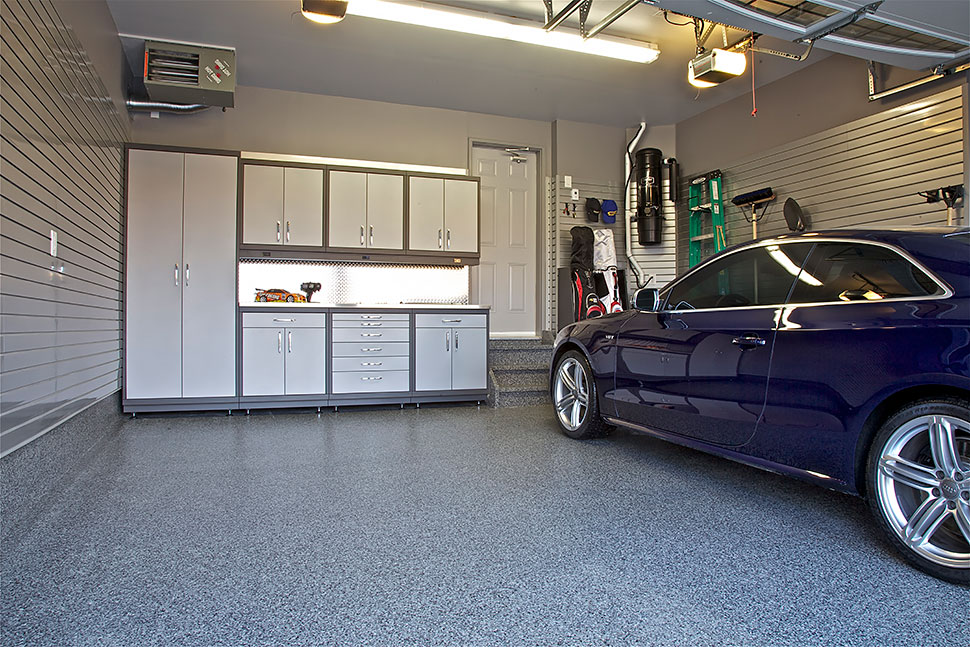
- The Workshop/Hobby Zone: If the goal is a workshop, the focus must be on durable, easy-to-clean flooring (like epoxy), bright task lighting, and robust electrical wiring to support heavy tools and machinery. Vertical storage, like pegboards and slat walls, keeps tools visible and accessible.
- The Home Gym: A gym requires rubber flooring for shock absorption and sound dampening, excellent ventilation, and proper mirrors. It also necessitates climate control, as temperature extremes will quickly make the space unusable.
- The Auxiliary Office/Studio: This requires the most intensive upgrade, as the space must be habitable year-round. Focus on insulating the walls and ceiling, installing drywall, and integrating dedicated heating and cooling. Crucially, run high-speed data cables and install numerous outlets to support modern office equipment.
- Ultimate Organization: If the goal is simply better storage, invest in high-quality overhead racks, closed cabinetry to hide clutter, and wall-mounting systems to get everything off the floor.
2. Fundamental Upgrades: Making the Garage Habitable
Regardless of the intended use, a successful garage renovation requires foundational upgrades to address issues common to these spaces: temperature instability, moisture, and poor lighting.
Insulation and Climate Control
The garage is often poorly insulated, making it freezing in winter and boiling in summer. To truly make the space usable, you must:
- Insulate Doors and Walls: Use high-R-value rigid foam or batt insulation in the walls and ceilings, and consider upgrading to an insulated garage door.
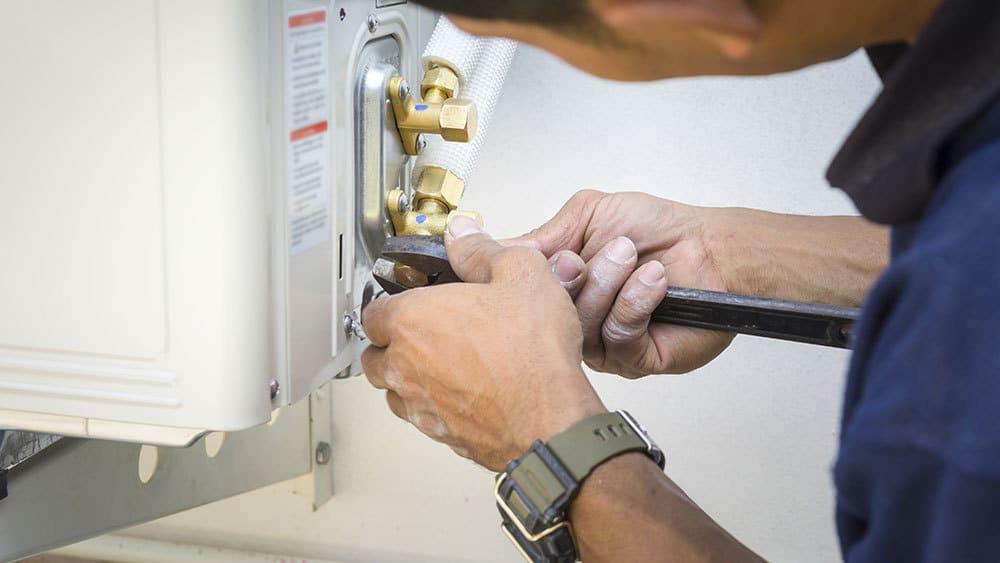
- Dedicated HVAC: For a finished, habitable space like an office or gym, installing a dedicated mini-split HVAC system is essential. These units provide localized, efficient heating and cooling without taxing the main house system.
Flooring and Moisture Management
Concrete floors are prone to cracking, dusting, and staining. A finished floor transforms the space’s aesthetic and protects against moisture.
- Epoxy Coatings: A durable, high-gloss epoxy floor coating seals the concrete, provides an easy-to-clean surface resistant to oil and chemicals, and instantly brightens the space.
- Tiled Flooring: Interlocking PVC or rubber tiles are excellent DIY options for gyms and workshops, offering cushioning and easy replacement.
Lighting and Electrical Capacity
Most garages rely on a single, dim ceiling bulb. Modern task lighting is critical.
- Layered Lighting: Install bright, energy-efficient LED strip lighting for ambient illumination. Supplement this with focused task lighting over workbenches or equipment.
- New Outlets: Consult an electrician to add dedicated 20-amp circuits and strategically placed outlets to accommodate tools, chargers, and appliances without relying on extension cords.
3. Maximizing Vertical Storage and Organization
For the garage to function effectively, the floor must remain clear. Vertical space is the key to maximizing storage in a finite area.
- Slatwall and Pegboard Systems: These customizable wall systems allow tools, baskets, and shelving units to be rearranged easily, adapting to changing needs. They are ideal for hanging everything from power tools to gardening equipment.
- Overhead Racks: Utilize the often-ignored ceiling space with heavy-duty steel racks. These are perfect for long-term storage of seasonal items (holiday decorations, camping gear) that don’t require frequent access.
- Closed Cabinetry: For a clean, finished look, invest in floor-to-ceiling cabinets. They conceal clutter, protecting items from dust and creating an aesthetic that matches the interior of the home.
Conclusion: Value, Function, and Design
Renovating the garage is a high-return investment, not just in financial terms (it appeals strongly to buyers seeking functional utility) but in terms of daily utility. By strategically defining the space’s purpose, making essential upgrades to insulation and flooring, and employing clever vertical organization, the garage is transformed from a chaotic catch-all into a valuable, fully integrated part of the home. It is the ultimate blank canvas for maximizing the potential and enhancing the livability of your property.
Would you like me to detail the specific steps and costs associated with installing a mini-split HVAC system in a garage office conversion?